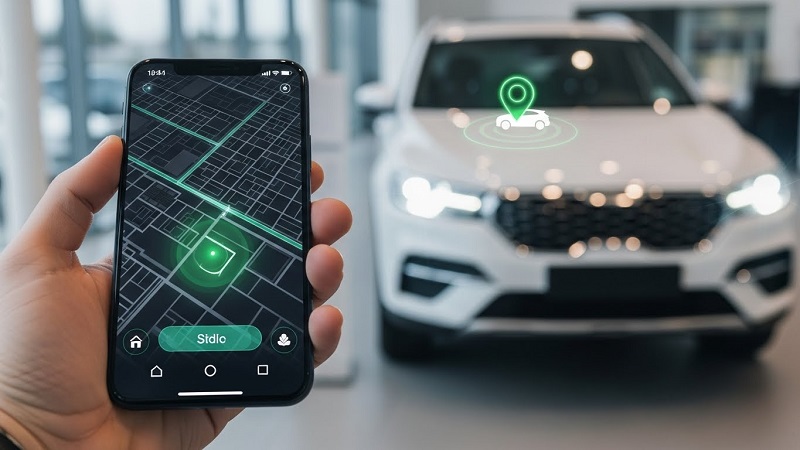
Let’s be honest: there is nothing more embarrassing for a salesperson than the "Lot Walk of Shame."
You know the drill. A customer wants to test drive that metallic gray SUV. Your system says it’s in Row 4. You walk them out there... and it’s gone. Now you’re wandering the lot, clicking the key fob like a maniac, hoping to hear a honk, while the customer checks their watch and loses interest.
That 15 minutes of searching didn't just annoy a buyer; it likely killed the sale.
Most dealers still think of GPS trackers as simple anti-theft devices—something you slap on to lower insurance premiums or find a car after it’s been stolen. While that’s true, it’s also the least interesting thing these devices do.
In 2025, if you aren't using GPS for Lot Management, you are voluntarily bleeding money. Here is what actually matters.
We rarely talk about this, but it’s a huge deal. Modern GPS trackers monitor battery voltage.
The worst nightmare isn't a stolen car; it’s a customer getting into a car for a test drive, pushing the start button, and hearing... click, click, click.
A good system alerts your porters before the battery dies. "Stock #1234 is at 11.8V." You charge it before the customer ever shows up. That is how you save a deal.
Every GM knows the pain of a floor plan audit. The bank rep shows up, and your team has to drop everything to physically locate and scan every single VIN on the lot. It takes hours, sometimes days.
With a proper GPS system, you pull a report. Boom. precise location and status of every asset, instantly. You hand that to the auditor, and your sales team goes back to selling cars instead of playing hide-and-seek.
We like to trust our staff, but let’s be real. If a porter takes a 400-horsepower sports car to grab lunch and hits 90 mph on the freeway, you need to know.
Geofencing isn't just for thieves. It’s for ensuring your inventory isn't being abused by the people on your payroll. You get an alert the second a car leaves the lot or hits a speed threshold it shouldn't.
Traditional alarms are useless because nobody pays attention to them.
Modern GPS isn't passive. If a car moves at 3:00 AM, your phone should buzz immediately. You can track it in real-time and give the cops a live location link. We’ve seen cars recovered in 20 minutes because the police knew exactly where the thief parked to "cool off" the vehicle.
The market is flooded with cheap junk. If you’re shopping for a vendor, ignore the flashy brochures and look for these three things:
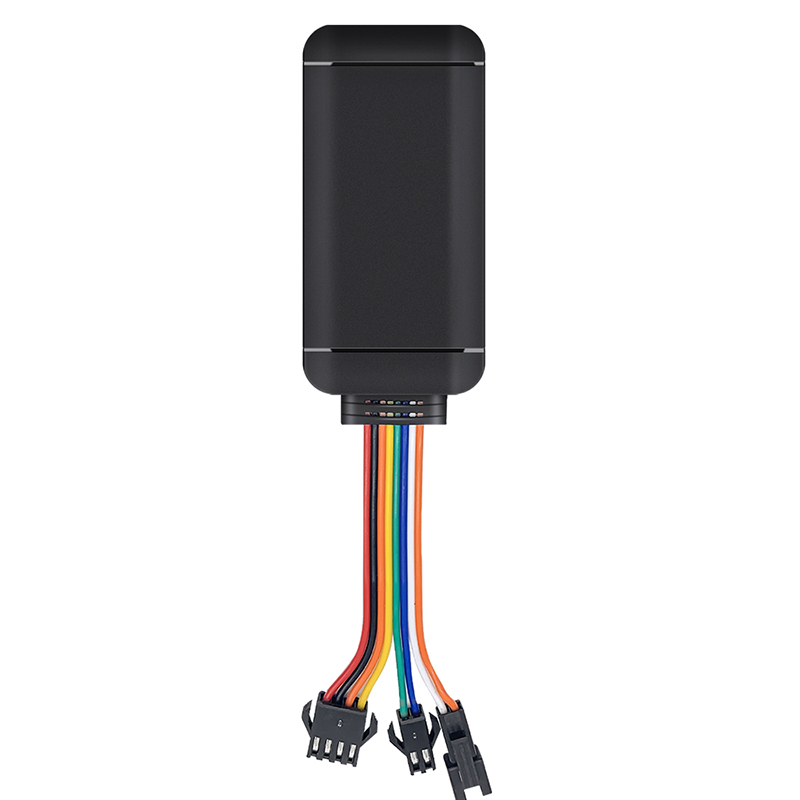
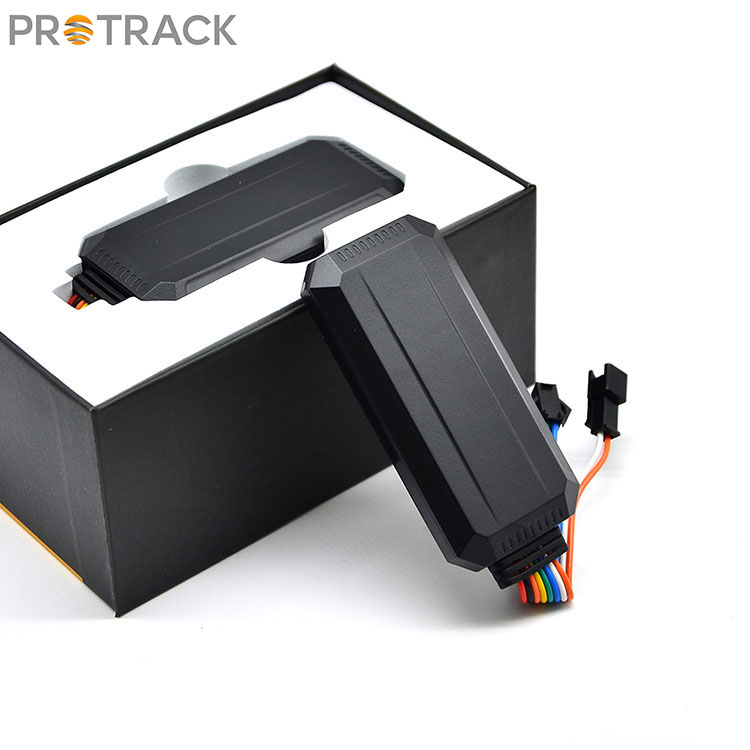
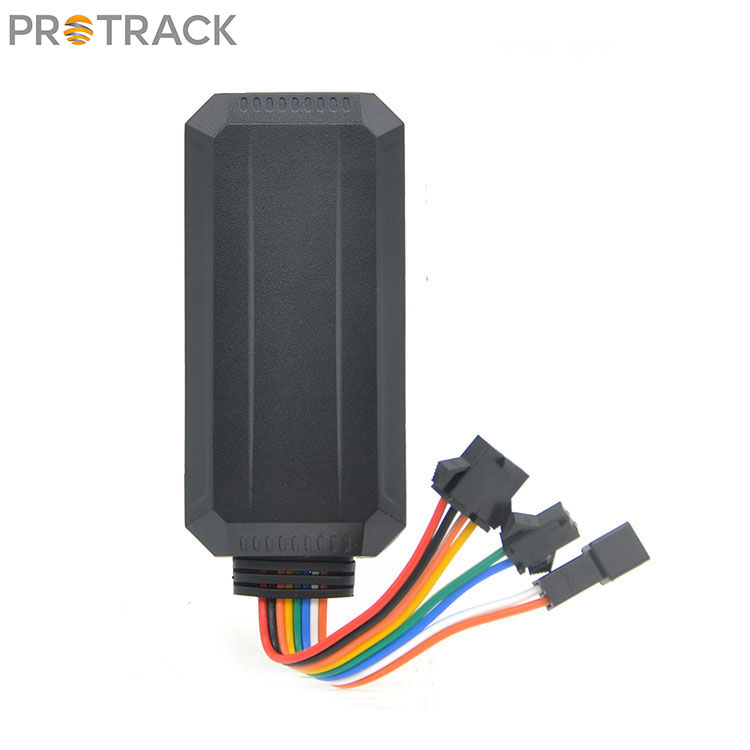
· OBD-II vs. Hardwire: Go for the Protrack "Plug-and-Play" OBD-II units. You can install them in 10 seconds. Hardwired systems require cutting into factory harnesses—do you really want to risk voiding a warranty or dealing with electrical gremlins?
· Sleep Mode: Make sure the tracker has a low-power sleep mode. Cheap trackers will drain a car battery in a week if the car sits. Good ones go dormant until the car moves.
· The Interface: Ask for a demo of the mobile app. If your oldest salesperson can’t figure out how to find a car on it in 30 seconds, don't buy it.
Stop treating GPS as an expense. It’s an efficiency tool. If it saves one sale a month because a battery wasn't dead, or saves your team 10 hours of walking the lot, the system pays for itself. Everything else is just a bonus.