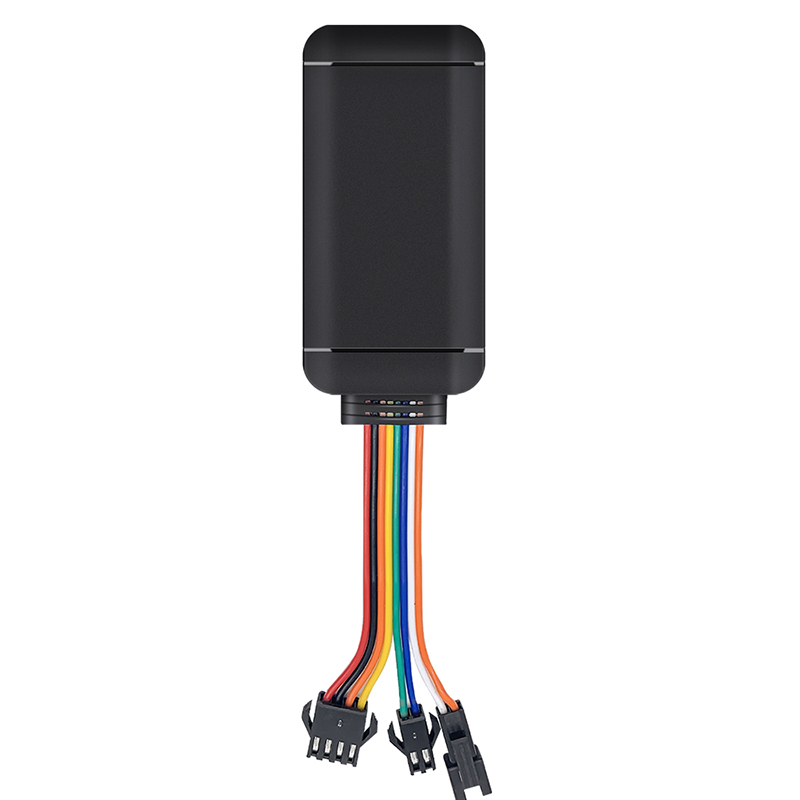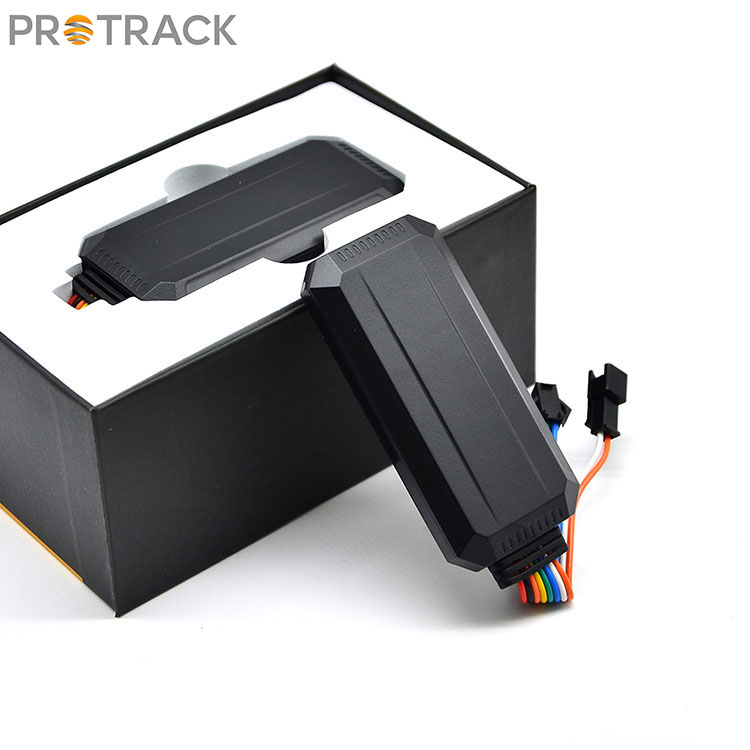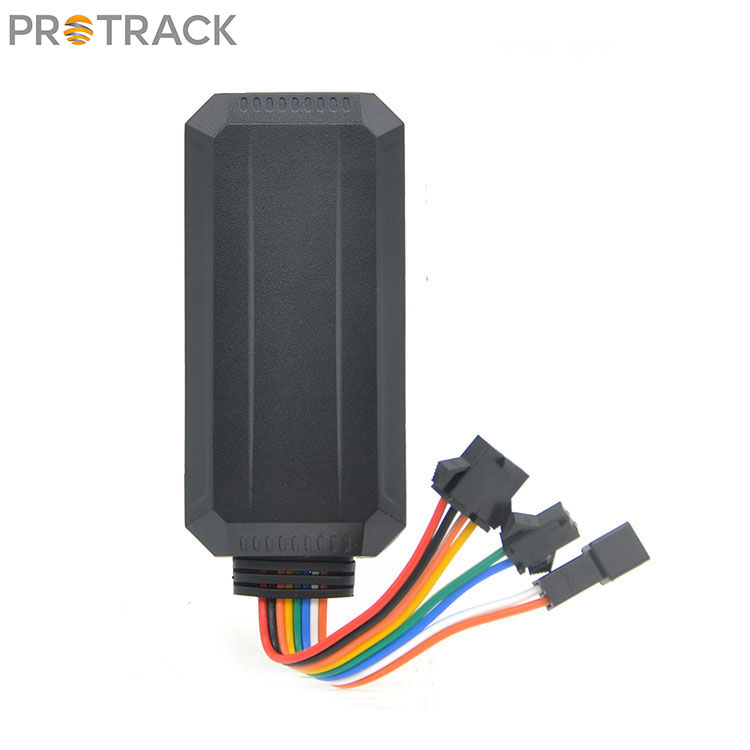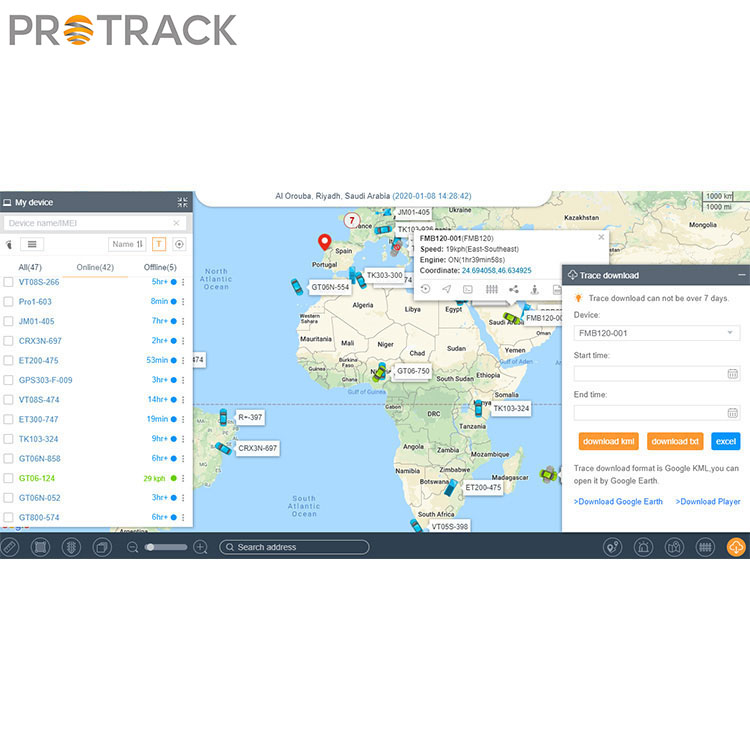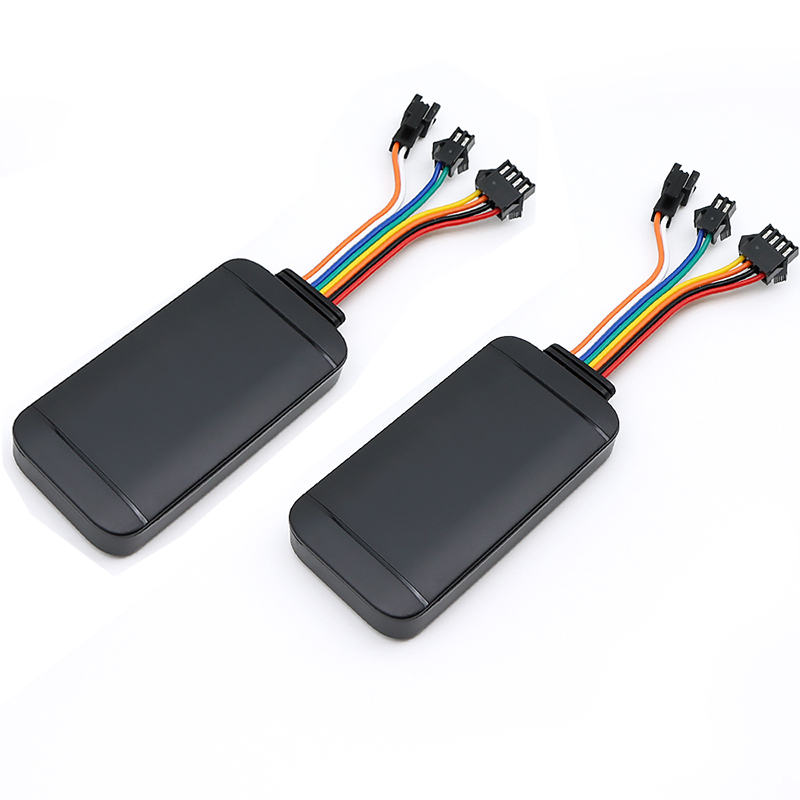
GPS Locator With Accurate Location is becoming an important technology in smart mobility, supporting real-time tracking, vehicle monitoring, and asset management. With the growth of connected transportation, accurate positioning helps improve visibility, safety awareness, and smarter movement management across different applications.

As vehicle ownership grows and transportation systems become more connected, location awareness is becoming an important part of vehicle management. A reliable Tracking Device For Car can provide valuable information when traditional security methods cannot offer enough visibility.
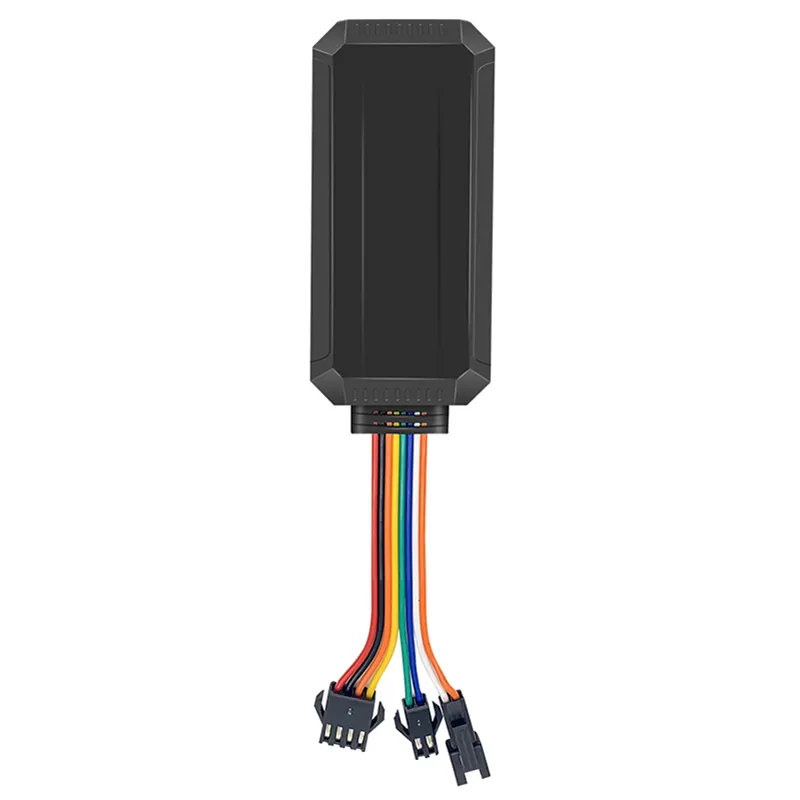
The global market development of Vehicle GPS Tracker products reflects a wider movement toward connected and smarter transportation systems. As technology continues evolving, reliable tracking solutions will remain an important part of improving vehicle safety and management efficiency.

Let’s be brutally honest for a second: if you are leaving heavy machinery worth hundreds of thousands of dollars on a remote dirt lot with nothing but a chain-link fence and a padlock, you aren’t managing your equipment—you are practically gifting it to thieves.
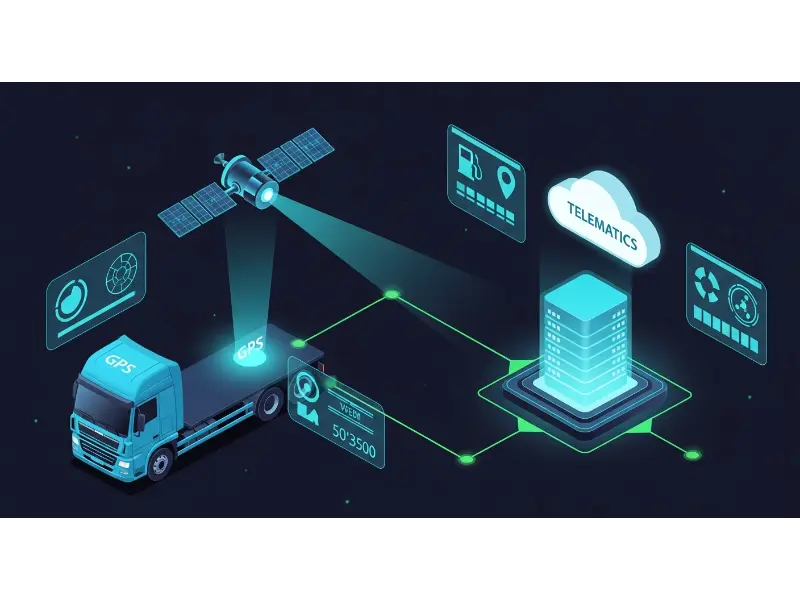
Let's get one thing straight: if you are still relying on end-of-day driver check-ins, manual logs, and sheer guesswork to manage your fleet, you are actively bleeding money.

In 2026, car theft isn't just about smashed windows and hotwiring. Thieves are sophisticated. They use relay attacks to clone your key fob signal through your front door, or they hack the vehicle's CAN bus system. Factory alarms are often disabled in seconds.