Geofences are online limits produced about specific geographical locations using GPS, RFID, Wi-Fi, or mobile information. This innovative technology facilitates location-based solutions by enabling companies to specify areas where particular activities or notices can be set off when devices or people enter or exit these assigned locations. In the context of job website management, geofences function as critical devices for monitoring time-on-site, improving efficiency, and ensuring conformity with functional procedures.

The occurrence of hefty equipment burglary on remote mining websites positions considerable challenges for companies running in these separated locations. These websites often house valuable equipment, production them prime targets for burglars that capitalize on the lack of security and monitoring in such locations.
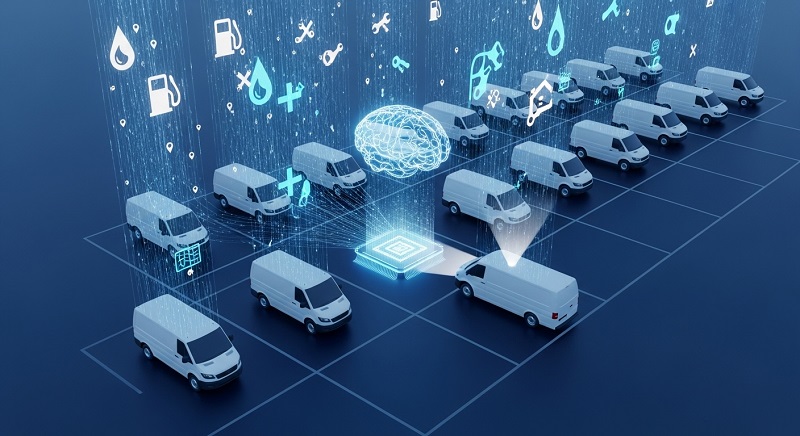
Telematics describes the incorporated use telecommunications and tracking systems to gather and analyze information from vehicles. It encompasses a variety of technologies that enable monitoring of vehicle efficiency, driving habits, and real-time place monitoring.
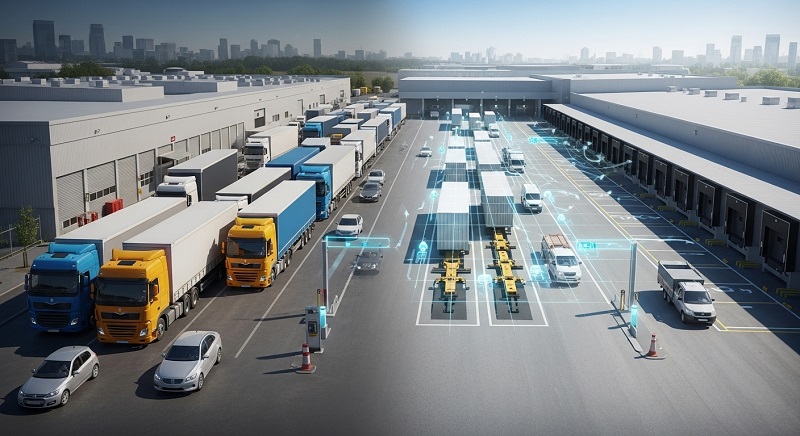
Lawn management solutions are critical devices designed to improve effectiveness in logistics and provide chain procedures. These systems facilitate the monitoring and management of all tasks that occur within a send off or receiving lawn, intending to improve processes and decrease turn-around times. At the core of these solutions is an incorporated approach that leverages technology, enabling companies to optimize depot effectiveness and improve possession place precision.

Chauffeur turn over describes the rate at which drivers leave their jobs and need to be changed within the trucking industry. It's a considerable issue that impacts fleet procedures, success, and overall solution delivery. The trucking industry is presently facing amazingly high turn over prices, often exceeding 90 percent yearly for some fleets.
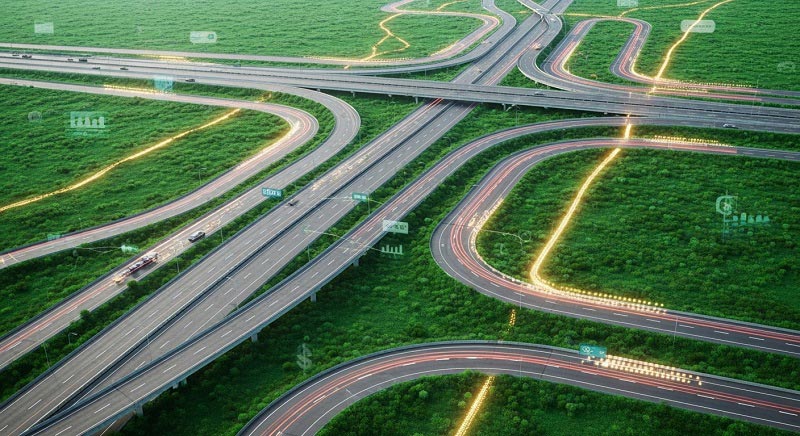
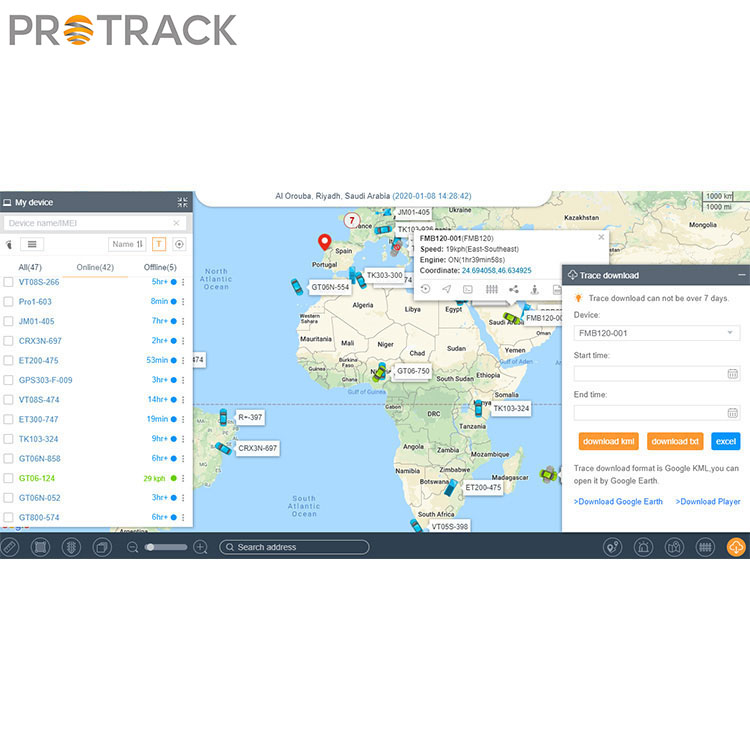
The introduction of Global Placing System (GPS) technology has significantly reshaped various markets by improving functional effectiveness and decision-making processes. GPS tracking technology describes the use satellite indicates to determine the place of a gadget, whether it be a car, individual, or possession, in actual time. At first, it was commonly accepted for logistics and fleet management, enabling companies to monitor vehicle routes and optimize delivery routines. However, the potential of GPS tracking prolongs much past these conventional applications.