The sinking feeling of walking out to a parking lot and seeing an empty space where your vehicle or equipment used to be is a nightmare scenario. Whether it is a personal car, a fleet truck, or heavy construction machinery, theft is rarely about the asset itself—it is about the time, money, and livelihood lost along with it.
In the past, recovery was a waiting game. You filed a police report and hoped for a miracle. Today, Real-Time GPS Tracking has changed the math. It shifts the power dynamic from the criminal to the owner, turning a likely total loss into a quick recovery.
Here is how modern tracking technology actually works when seconds count.
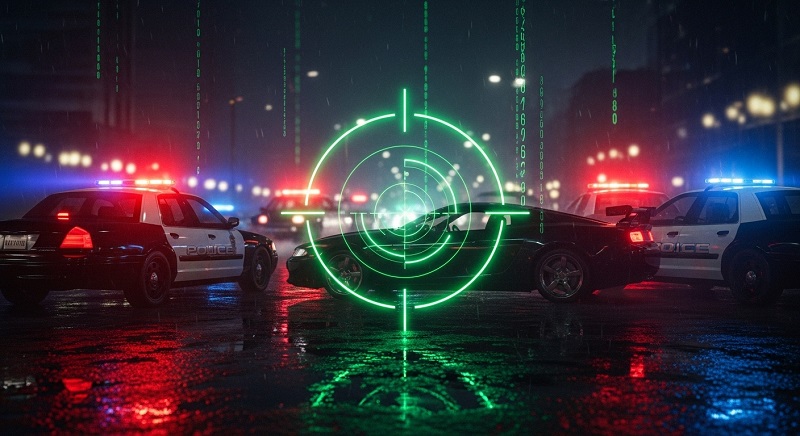
Police statistics show that the chances of recovering a stolen vehicle drop precipitously after the first few hours. This is often called the "Golden Hour." Thieves want to move the asset quickly to a "cooling-off" location, a chop shop, or a shipping container.
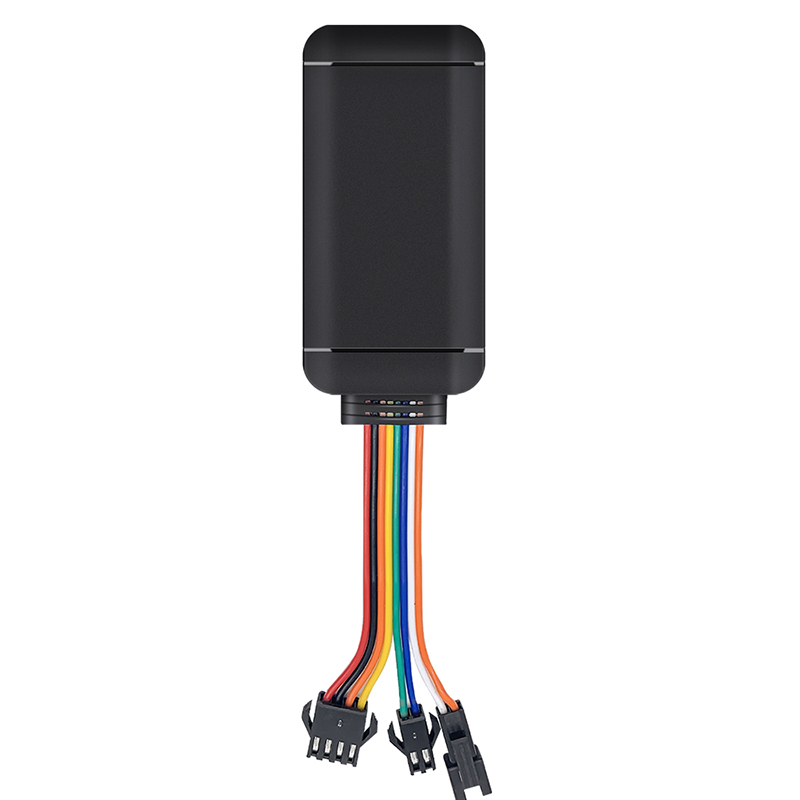
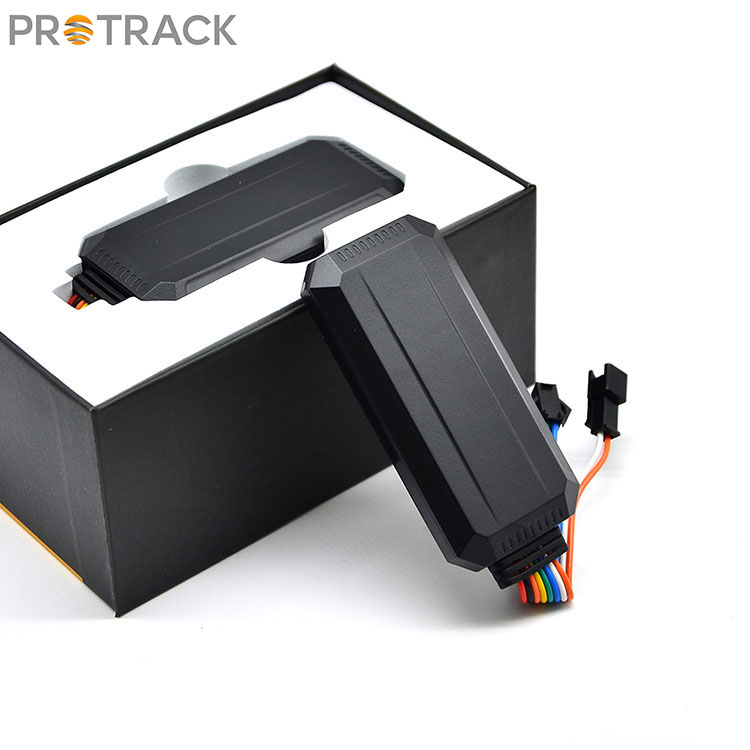
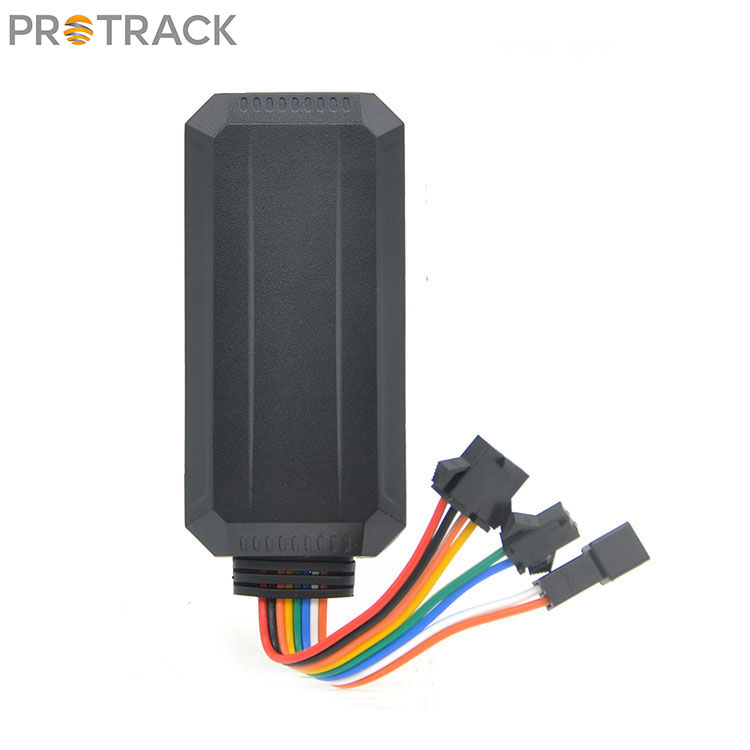
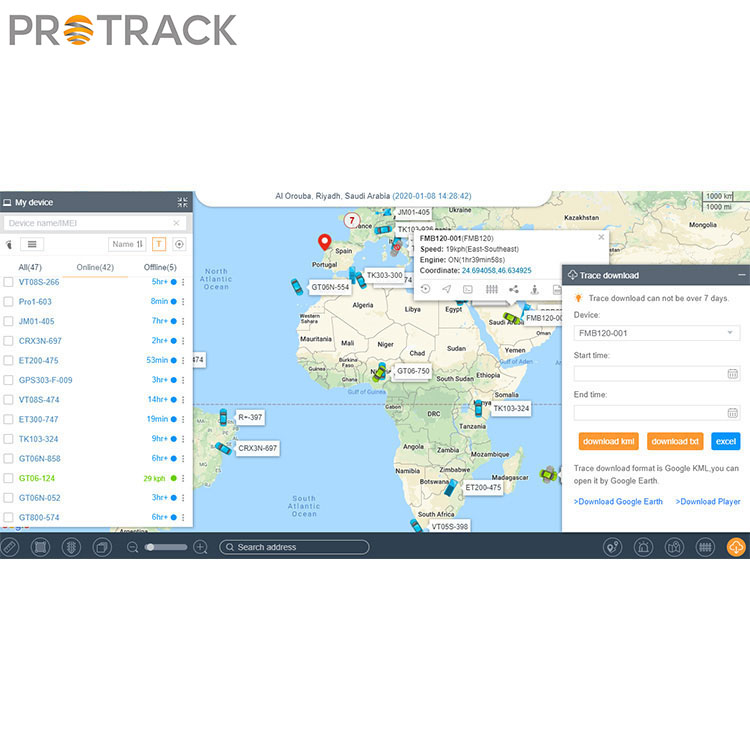
Passive trackers (which only log data to be downloaded later) are useless here. You need Real-Time GPS. This technology uses cellular networks (4G/LTE) to ping the asset’s location every few seconds. It doesn't just tell you where the vehicle was; it tells you where it is heading, how fast it is driving, and exactly where it stops.
If you confirm your asset is gone, adrenaline will kick in. Do not panic, and do not try to be a hero. Follow this GPS-assisted protocol:
Open your GPS mobile app immediately. Verify the status. Is the vehicle actually moving, or was it towed?
Pro Tip: Look for the "Ignition On" status. If the ignition is off but the vehicle is moving, it is likely being towed or flat-bedded. This is crucial information for law enforcement.
When you call 911, dispatchers are often overwhelmed. Saying "My car was stolen" gets you in a queue. Saying "My car was stolen, and I am tracking its live location right now" moves you to the top of the pile.
Most modern GPS platforms allow you to generate a temporary "Live Share" link. You can text this link directly to law enforcement officers. Instead of you describing "It's turning left on Main Street," the officers can see the moving dot on their own dispatch screens. This allows them to set up roadblocks or intercept the vehicle safely.
This is the ultimate countermeasure. High-end GPS trackers are often hardwired into the vehicle's ignition or fuel pump relay.
If you confirm the theft, you can issue a Remote Cut-Off command via your app.
How it works safely: Most systems won't kill the engine while the car is doing 70mph on the highway (which is dangerous). Instead, they wait. The moment the thief slows down to a stop or turns the engine off, the immobilizer engages. When they try to start it again? Nothing. The vehicle is bricked, and the thief is forced to abandon it on foot.
The best recovery is the one you never have to make. GPS tracking allows you to set up Geofences—digital boundaries around your home, office, or job site.
Instead of waking up at 7:00 AM to find your trailer stolen, a Geofence alert wakes you up at 2:00 AM the second the asset moves 100 feet outside the designated zone. This early warning often allows you to thwart the theft before the vehicle even leaves the neighborhood.
Thieves are opportunistic, but they are also looking for the path of least resistance. A vehicle equipped with a visible GPS tracker is often skipped over for an easier target. But if they do take it, real-time tracking transforms a stressful police report into a precision recovery operation.
Don't wait until the insurance claim paperwork is on your desk to think about security. Equip your assets with reliable, real-time GPS today.